Engineering the Triple Seven.
Explore the architecture, variants, and legacy of the Boeing 777. The wide-body twin-engine jet that transformed transoceanic commercial aviation.


The Twin-Engine Revolution
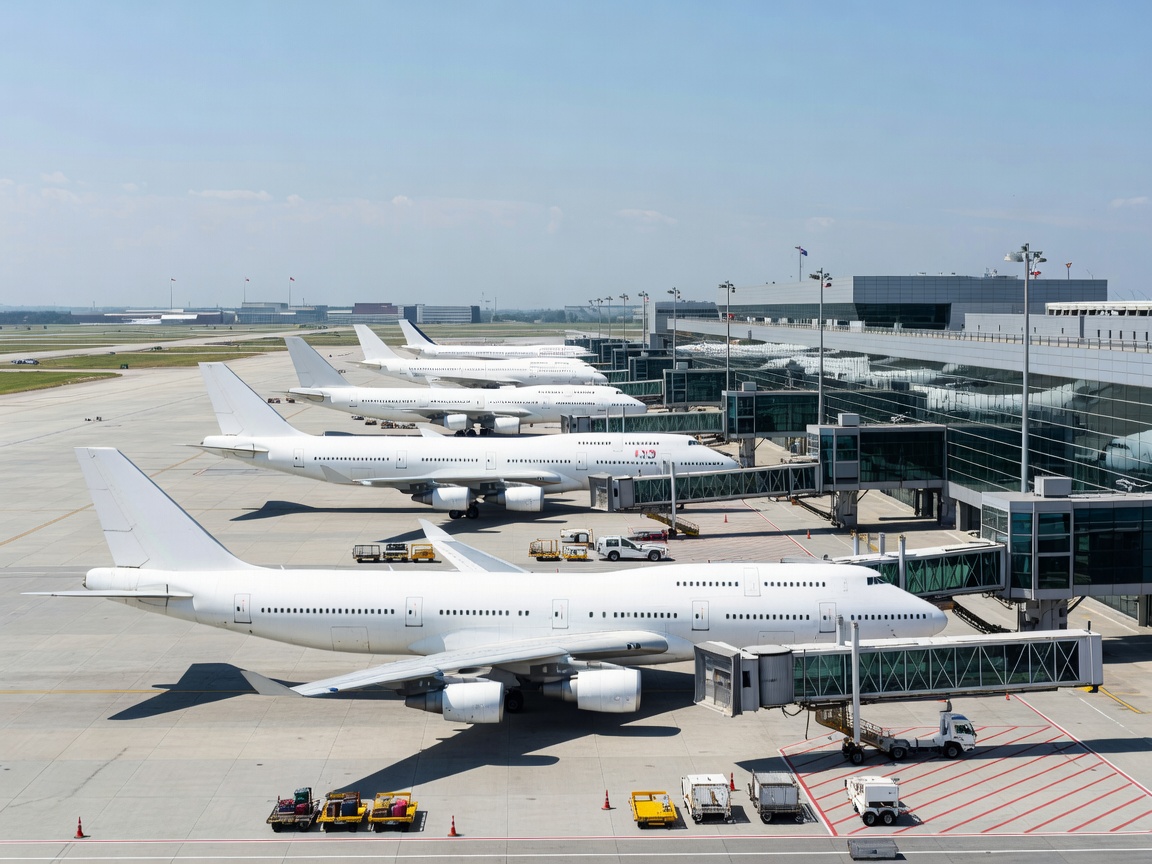
Before the introduction of the Boeing 777, long-haul overwater routes were strictly the domain of three- and four-engine aircraft like the Boeing 747, McDonnell Douglas DC-10, and Lockheed L-1011 TriStar. Regulatory bodies restricted twin-engine jets from flying more than 60 minutes away from a diversion airport, rendering them impractical for oceanic crossings.
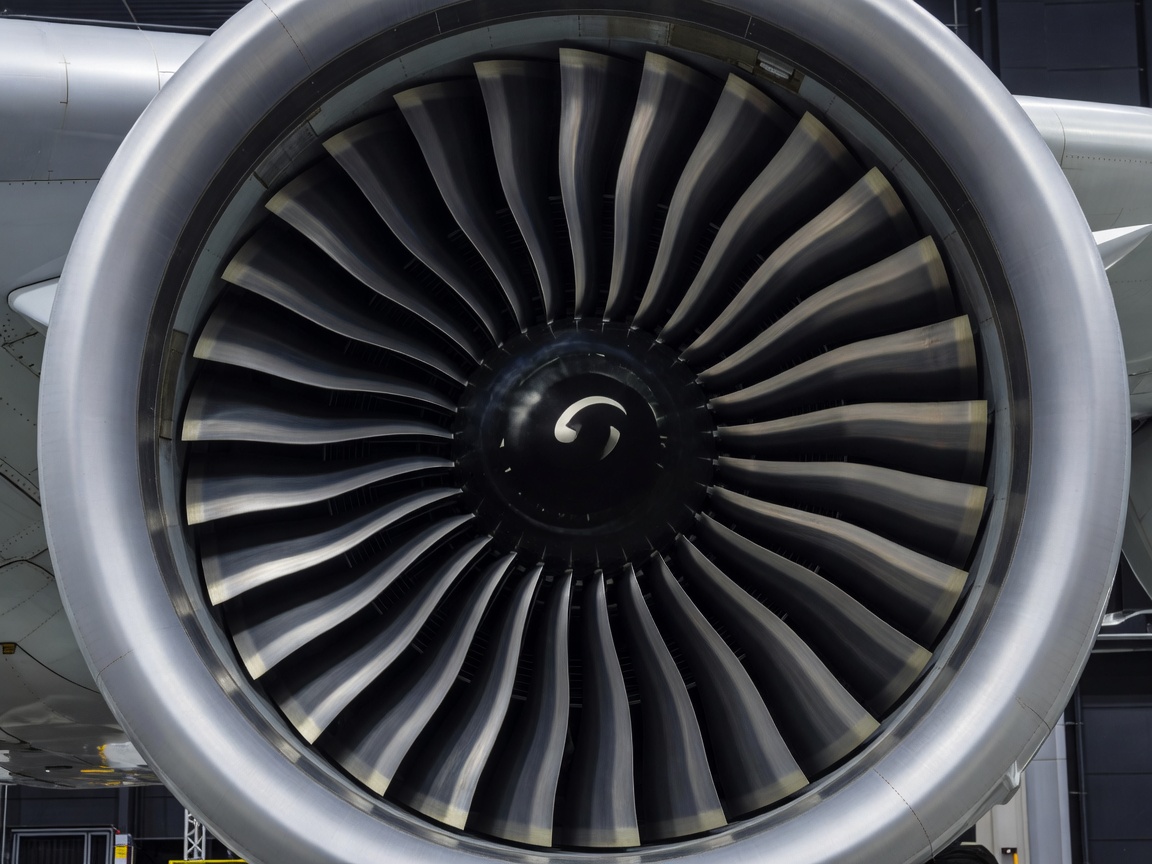
The 777 was conceived directly to address this gap. Engineered with unprecedented reliability and redundancy, it became the first commercial aircraft to be certified for 180-minute ETOPS (Extended-range Twin-engine Operational Performance Standards) right out of the factory. This certification drastically altered airline economics, allowing carriers to fly direct routes across the Pacific and Atlantic with vastly lower fuel and maintenance costs compared to four-engine counterparts.